If I look at a listing and the first three photos feature a dark, cramped hallway, I’m out. I don't care how many square feet it has, and I certainly don't care about the “upgraded HVAC” listed in the bullet points. As a strategist who has spent 11 years watching how properties actually move, I’ve learned one inescapable truth: Buyers aren't buying floor space; they’re buying a future version of themselves.
This is the essence of experience-driven buying. It is a fundamental shift in the residential market where the emotional journey of the buyer—how they live, work, and feel within the walls of a home—trumps the raw metrics of the tax assessment. If you are a seller, you aren't competing with other houses; you’re competing with the lifestyle your buyer has curated on their vision board.
The Death of the 'Per-Square-Foot' Metric
For decades, agents have relied on the lazy math of “price per square foot” to justify value. But let’s be real: A 2,500-square-foot maze of compartmentalized rooms with bad lighting is infinitely less valuable than a 1,400-square-foot loft that features soaring ceilings, raw textures, and an open layout that breathes. Today’s buyers are prioritizing lifestyle flexibility.
When I tour a property, my first question is always: "Where would the laptop go?" If there isn't a dedicated, thoughtfully lit space for a remote professional to operate without feeling like they are working from their dining room table, the value Go to this site proposition drops. Experience-driven selling means identifying those friction points and fixing them before the photographer ever shows up.
The Digital-First Emotional Journey
We live in an era where the home search begins at 11:00 PM, while the buyer is mindlessly scrolling through Instagram or Facebook. The "experience" starts on a smartphone screen, not at the front door. If your digital presentation is clunky, dark, or cluttered, you’ve lost the buyer before they’ve even set an appointment.
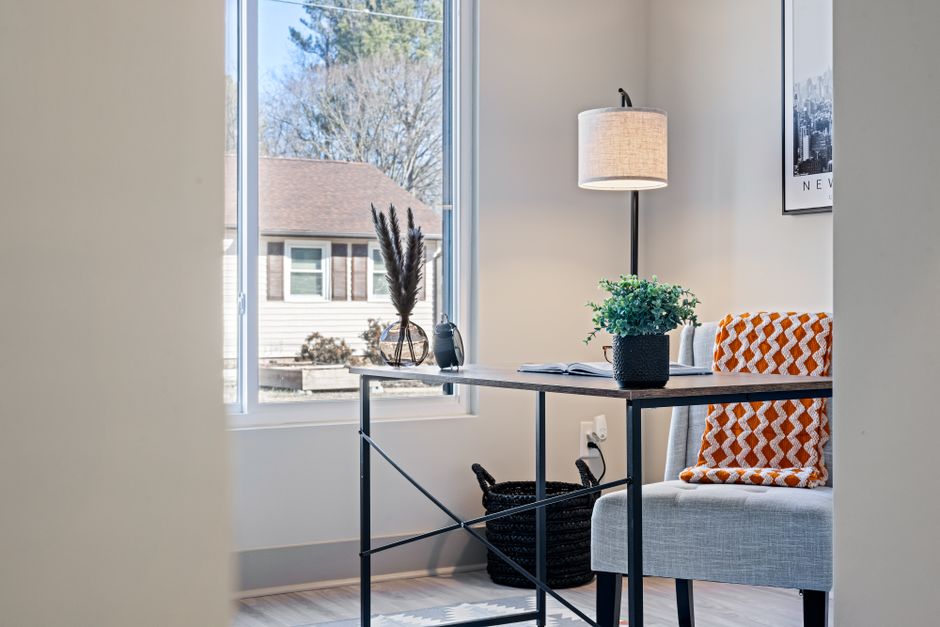
A digital-first strategy demands:
- Curated Visuals: Every photo must tell a story. Does the shot show a cozy reading nook? Does it capture how the natural light hits the kitchen island at 2 PM? Social Proof: Your listing needs to look "Instagrammable." If a potential buyer can’t visualize their own life in your space—because of your stacks of magazines or generic, distracting furniture—they won't bother to book a showing. Fast Comparisons: Buyers are looking at 50 homes in ten minutes on their phones. Your home needs a "hook"—a specific feature or vibe that stops the scroll.
Remote Work and the New Floor Plan Reality
The hybrid work model is here to stay, and it has permanently altered what buyers expect from a floor plan. Generic “home office” staging isn’t enough. Buyers are looking for soundproofing, power accessibility, and enough separation from the kitchen to take a Zoom call without background noise.
This is where the allure of lofts comes into play. Loft aesthetics—exposed brick, open floor plans, industrial lighting—provide the ultimate canvas for the live-work lifestyle. They feel intentional. When you list a home, you must lean into the "experience" of how it functions. Does the open floor plan allow for a home office that feels separate from the living space? If yes, highlight it. If no, you need to stage it to show the potential.
The Trifecta: Presentation, Pricing, and Timing
If you want to master the buyer emotional journey, you have to treat your home like a product launch. You cannot just slap it on the MLS and hope for the best. You need to align your presentation, pricing, and timing to create a narrative that makes the buyer feel like they *must* have your home to unlock their ideal life.
1. Presentation: The "Small Fixes" Rule
I keep a running note of small fixes that photograph better than they cost. If your hallways are dark, swap the bulbs for high-lumen, warm-toned LEDs. If your backsplash is dated, a subtle, neutral peel-and-stick application can sometimes make a space look $20,000 more expensive. Don’t invest in full renovations; invest in the experience of the tour.
2. Pricing: Psychology over Math
Stop pricing based on what you need to break even. Price based on the emotional gap. If your home offers an "experience" that none of the surrounding cookie-cutter condos can offer (e.g., better views, historical character, specific sunlight exposure), your pricing should reflect that scarcity.
3. Timing: Catch the Wave
Market timing isn't just about seasons; it’s about when your target demographic is most active. Use your Facebook and Instagram analytics to understand when your prospective buyers are online and engaged, and launch your listing when it can gain maximum immediate traction.
Comparing Traditional vs. Experience-Driven Selling
To understand the difference, look at the table below. It summarizes the shift from feature-based marketing to experience-based marketing.
Focus Area Traditional Approach Experience-Driven Approach Primary Value Price per square foot Lifestyle and utility Digital Strategy Basic MLS photos Social-first, visual storytelling Home Office An extra bedroom Defined live-work flow Staging Furniture-heavy/Generic Character-focused/Aspirational Buyer Mindset "Is this enough space?" "Can I see myself living here?"Final Thoughts: Don't Just List, Curate
The days of generic listing descriptions are over. If I read one more fluff-filled paragraph about "pristine countertops" without a single mention of how the home actually lives, I’m moving on to the next one. Buyers are smart; they have seen thousands of photos before they ever reach your front door.
If you want to sell in today’s market, you have to answer the tough questions. You have to ensure that every corner of your home, especially those often-neglected hallways, is lit to perfection. You have pricing strategies for unique homes to prove that there is a place for the laptop, a place for the yoga mat, and a place for the buyer’s future self. That, my friends, is what experience-driven real estate is all about.
So, walk through your home tonight. Turn on all the lights. Find your laptop. Sit down and look around. If you don't feel like you're in the middle of a lifestyle upgrade, you aren't ready to sell—and neither is your house.